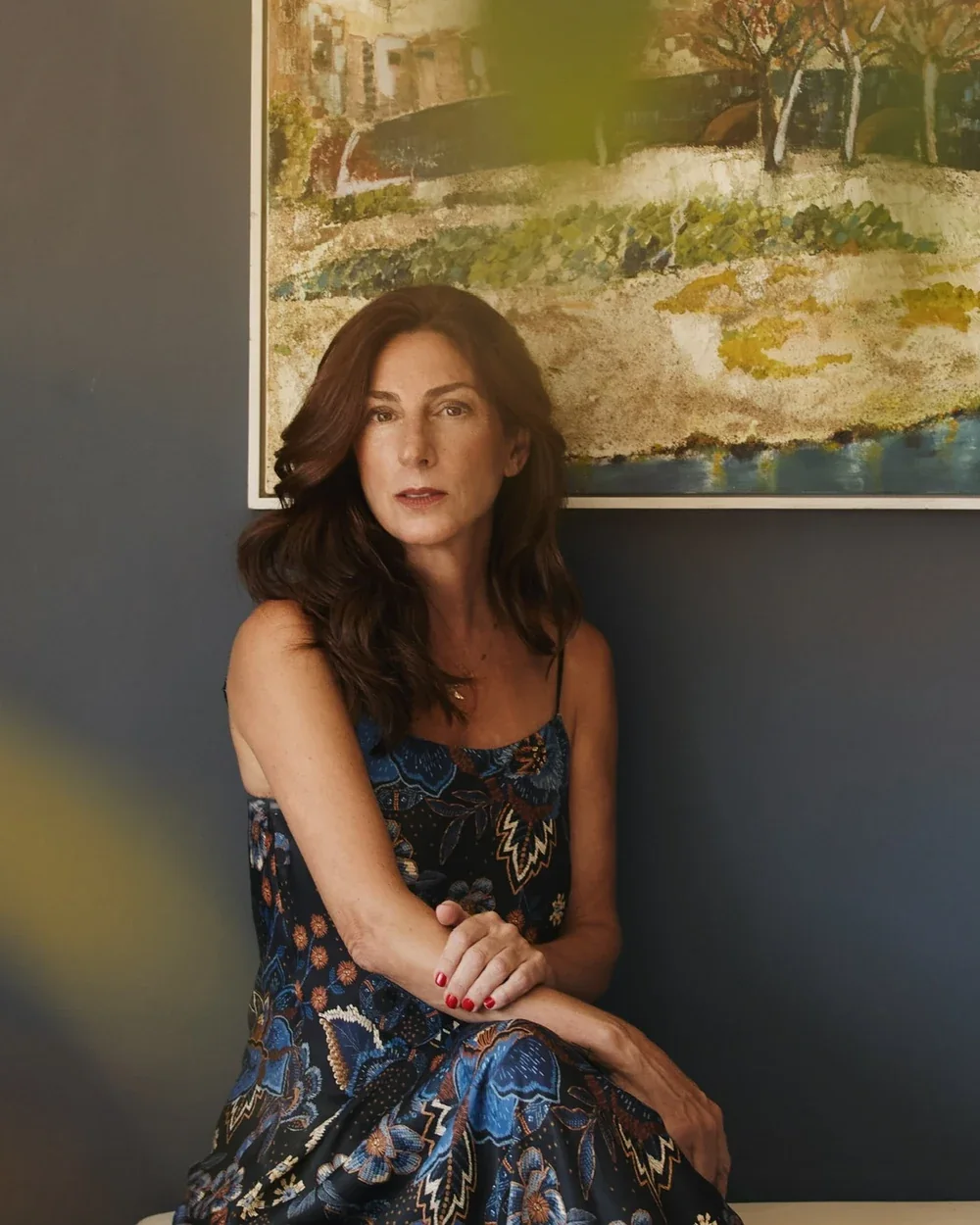
Fian Derviş
Dr., Oral and Maxillofacial Surgeon
The Circle Base · Interview · 3 min read

“I want to be one of the names who shape the surgery of the future, not just watch it.”
Could we get to know you a little? How did your professional journey begin?
I am Dr. Fian Derviş. After completing my undergraduate and master's education at Istanbul University's Faculty of Dentistry, I continued my doctorate at the same university's Department of Oral and Maxillofacial Surgery. Choosing surgery was a decision that matched my character. I am detail-oriented, disciplined and results-driven; surgery also requires intuition and composure.
My profession is an important part of my life but not its only side. Travel, piano and tennis are also in my life. I believe different experiences enrich one's professional outlook.
What influenced you most in choosing Oral and Maxillofacial Surgery?
What impressed me most about surgery is that knowledge turns directly into results. Every case requires a different assessment and sensitivity. Seeing your intervention find a concrete echo in the patient's quality of life is one of the strongest things that drew me to this field.
Oral and Maxillofacial Surgery is a special area where function, aesthetics and facial anatomy intersect. The fact that millimetric details affect the outcome requires constant improvement, and that motivates me.
How do you think technology and artificial intelligence will transform surgery in the coming years?
I believe technology makes surgery more precise, predictable and personalised. Thanks to three-dimensional imaging, digital planning and artificial intelligence, we can plan treatment in much more detail.
I see artificial intelligence not as something that replaces the surgeon but as a tool that strengthens their experience. Clinical experience, intuition and the trust built with the patient are still human. The difference will be made by knowing where and to what extent to use technology.
Is it only technical skill that defines a successful surgeon for you?
Technical skill is fundamental but not enough. Surgery requires foresight, composure and responsibility. Not everything may go as planned; how you manage uncertainty determines the result.
A good surgeon knows when to step back as well as when to intervene. It is also important to see the patient not merely as a case but as a person with needs. Surgery does not grant one the luxury of saying "I've made it"; real mastery begins with continuing to learn.
What nourishes you outside a busy and disciplined professional life?
What nourishes me are the things that keep my curiosity alive. Travelling, discovering new cultures and sometimes wandering without a plan do me good. Stepping out of routine also lets me look at my work differently.
Piano changes my mood; tennis empties my mind and refreshes my focus. For me, it is not about perfect balance but about being able to connect with different sides of life.
As a surgeon, what is your clearest advice to young women who want to advance in healthcare, academia and science?
Most important is to trust your own competence. The way to last in these fields is not to compare yourself with others, but to deepen your knowledge, to produce and to focus on your own development.
I would tell young women not to hesitate to make room for themselves. They should not be afraid of voicing their ideas, asking questions and taking responsibility. Self-confidence often comes as you dare to take steps. And they should not give up on themselves for the sake of success.
Where do you want to position yourself in the next stage of your career?
For me, what comes next is about building a strong professional signature of my own. While continuing my clinical and academic work, I want to deepen in digital surgery and new technologies. In the long term, I aim to be a surgeon who is referred to for their perspective and way of working. In short, I want to be one of the names who shape the surgery of the future, not just watch it.