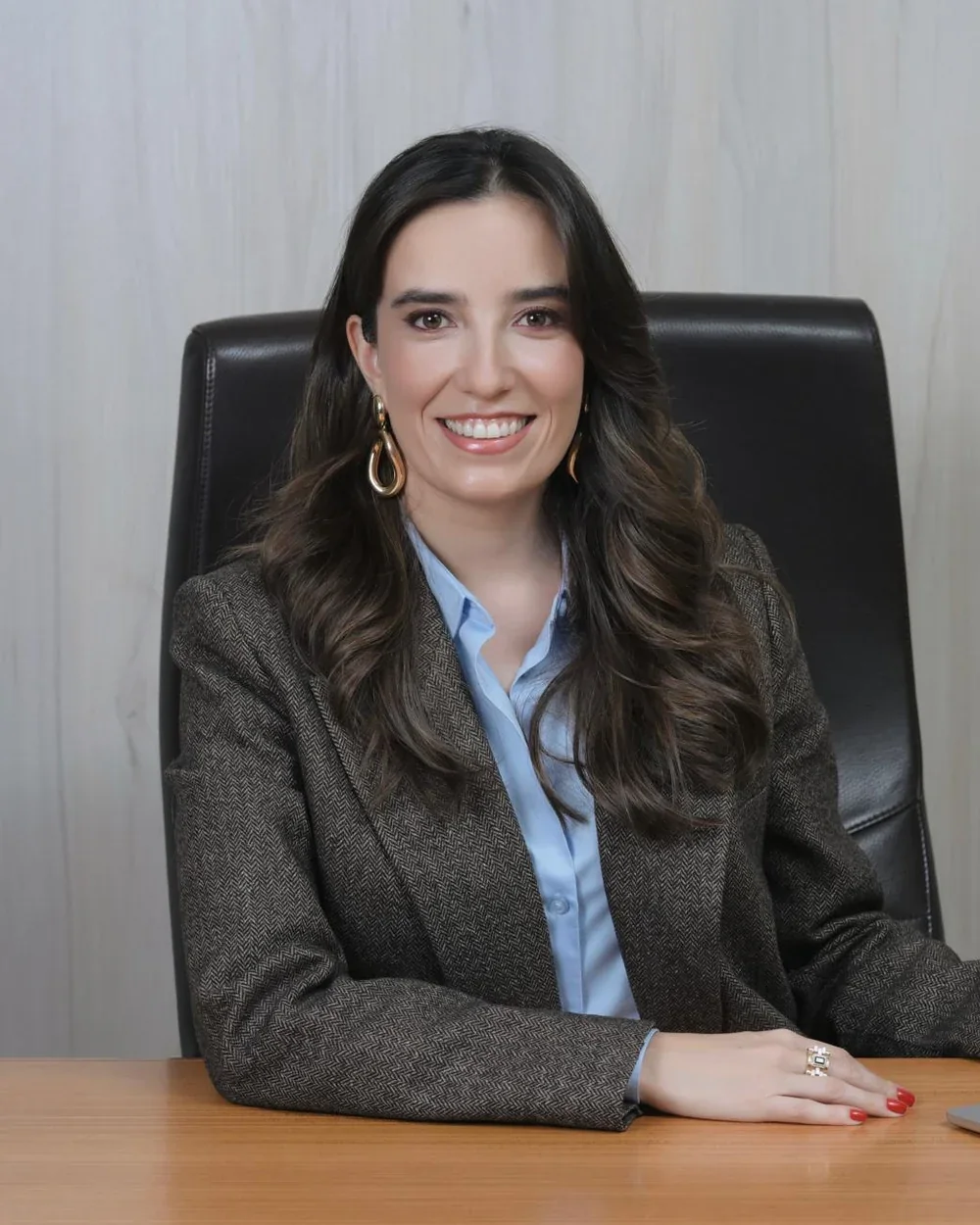
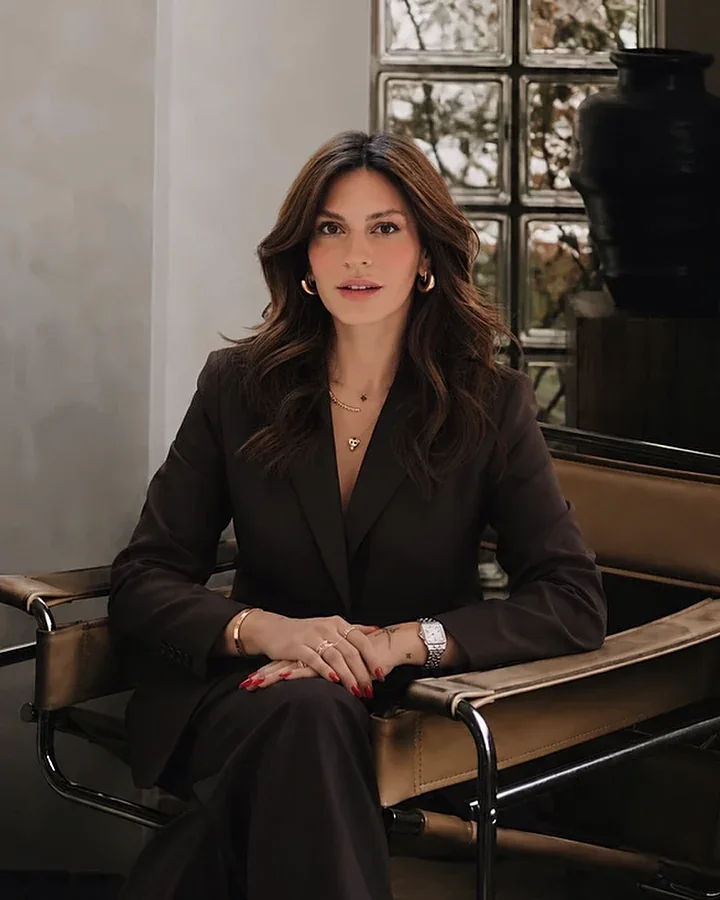
HEALTHCARE · Fortune TürkiyeMert Tokmak
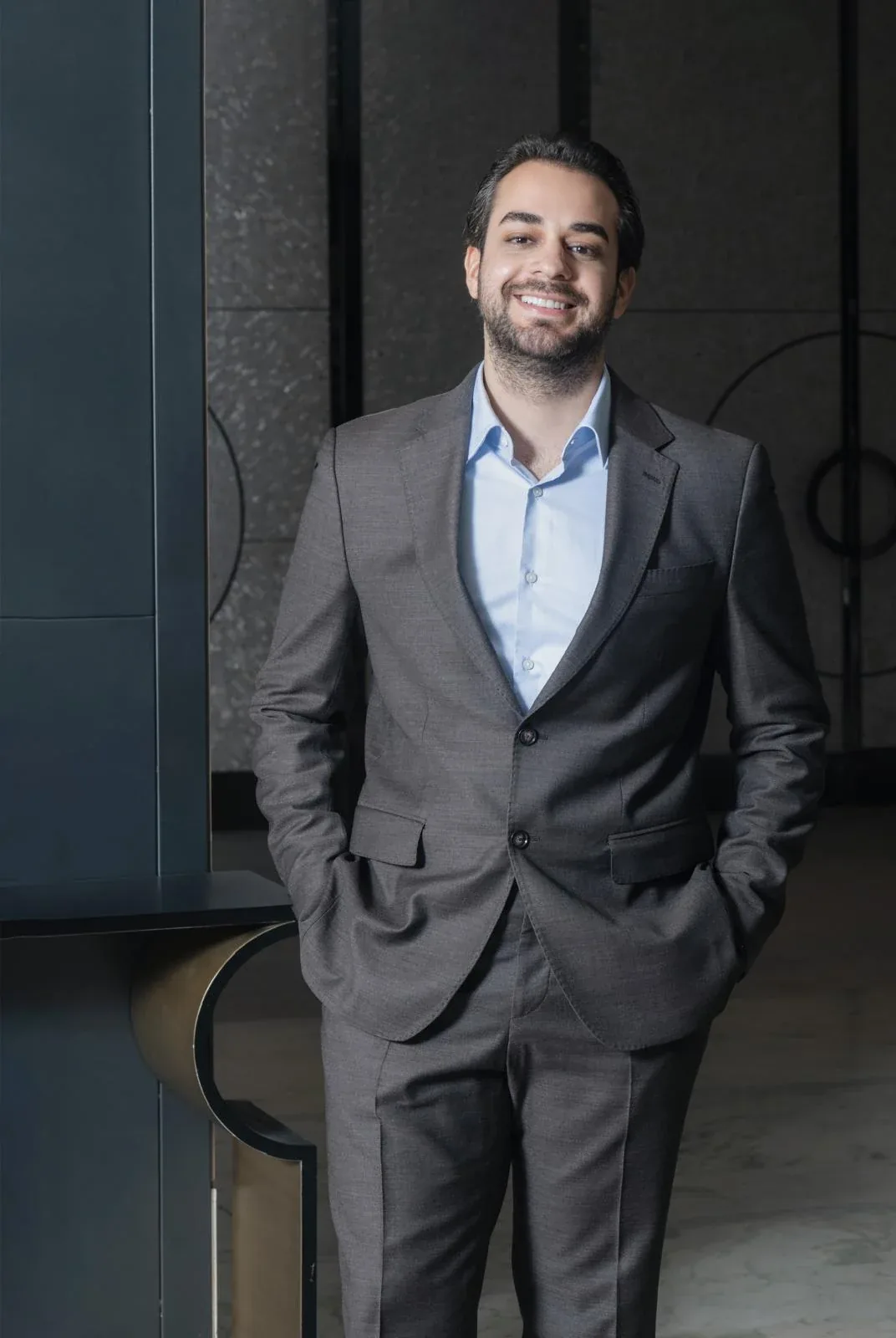
Academic, Founder of KinetiQ3 (Dr., PT)
The Circle Base · Interview · 3 min read
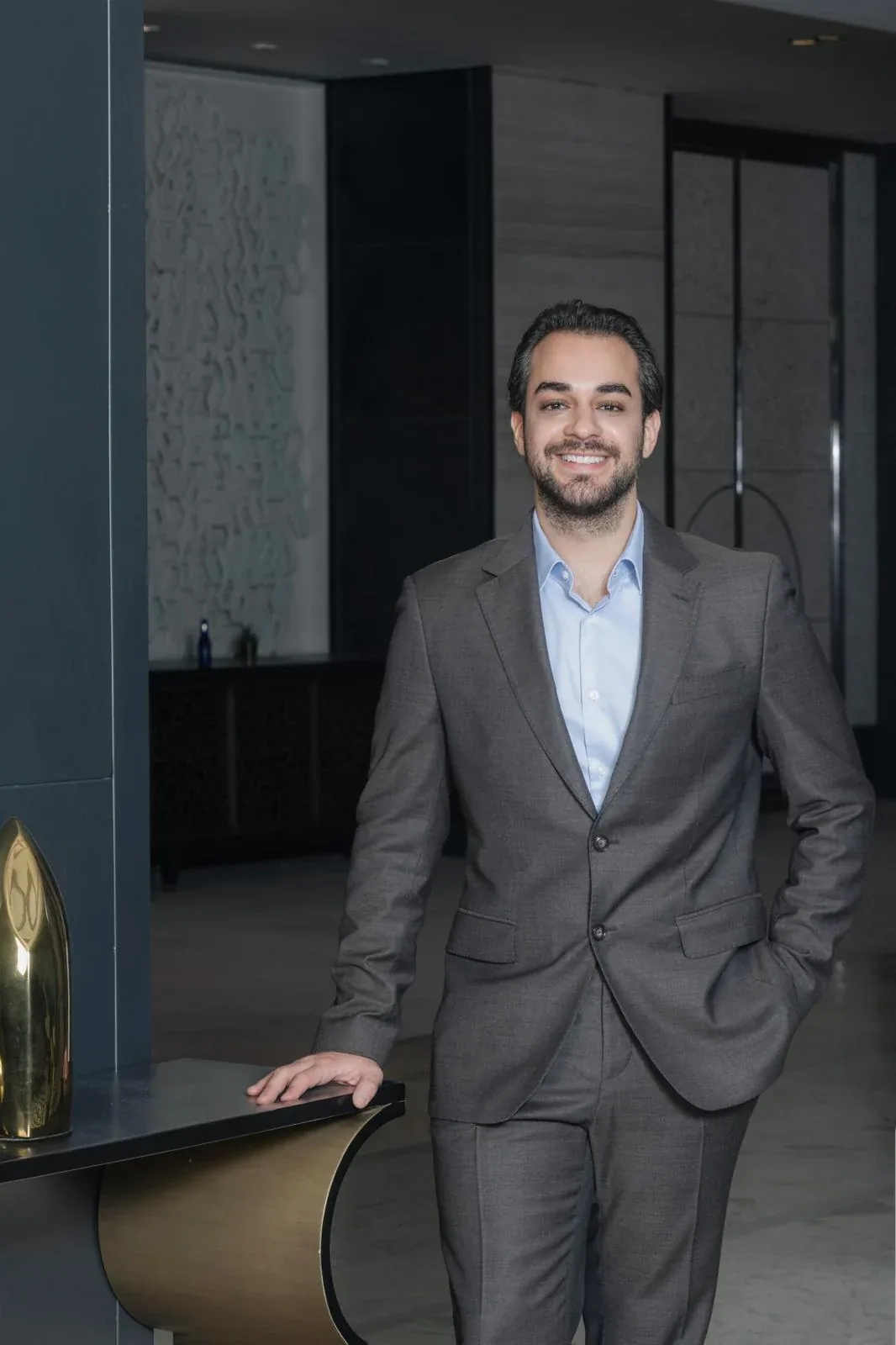
“As your knowledge deepens, let the language you use with people become simpler.”
Question 1
Could you introduce yourself?
Feeling that I can do someone good has always been precious to me. My curiosity about the human body and my wish to help guided my career. I completed my doctorate on temporomandibular joint disorders and a comparison of treatment approaches. Today at KinetiQ3 I first try to get to know the person in front of me: how is their life, what do they need, what do they want to be able to do again? Accompanying people as they trust their bodies and return to what they love is the best part of my work.
Question 2
What was your core idea in founding KinetiQ3?
That people truly feel heard. Pain touches a person’s plans and hopes too. Two people with the same complaint can have very different stories; one wants to return to sport, the other to walk without pain. Every treatment should have a reason and the person should know it, because people walk more bravely on a path they understand. The care we show from welcome to farewell is part of this approach.
Question 3
How do you bring your academic work and clinical practice together?
Academia teaches me to ask for the basis of every piece of knowledge and to question my own thinking. In the clinic I treat that knowledge together with the person’s needs, expectations and assessment findings. I care about understanding what a measurement means at that person’s breakfast table or in a conversation. We track progress and update the plan together when needed.
Question 4
We usually meet our bodies when pain begins. How can we change this relationship?
I think we postpone talking to our bodies. While rushing everywhere we forget to ask the body that carries us how it is. What can I do comfortably, where do I struggle, what feels good? We shouldn’t wait for pain to ask these questions. I care that movement is an enjoyable time people set aside for themselves.
Question 5
In a crowd of health information, how can different specialisations guide us?
Trying to follow every recommendation, we can miss what we actually need. Movement, sleep, nutrition and mood affect one another. When different specialities talk to each other it is easier to chart a path that suits the person. Caring for health should not become a race in which we constantly test ourselves; one should be able to approach oneself with compassion.
Question 6
When do you feel success in the clinic?
When I hear that someone can do something they love again: returning to sport, lifting their child with ease, enjoying a long walk. Seeing people carry the confidence they gain into daily life is what binds me most to this profession.
Question 7
What is your advice for young people who want to enter this field?
Keep alive your curiosity about the human body and human stories. Build a solid foundation in anatomy, physiology and biomechanics and question the basis of what you learn. Take time to listen; try to understand the person’s worries, expectations and limits. As your knowledge deepens, let the language you use with people become simpler.
SAĞLIK · Fortune TürkiyeMert Tokmak
Akademisyen, KinetiQ3 Kurucusu (Dr. Fzt.)
The Circle Base · Röportaj · 2 dk okuma
“Bilginiz derinleştikçe, insanla kurduğunuz dil sadeleşsin.”
Soru 1
Kendinizi tanıtır mısınız?
Birine iyi gelebildiğimi hissetmek benim için hep çok kıymetliydi. İnsan bedenine duyduğum merak ve yardımcı olma isteği meslek hayatıma yön verdi. Doktoramı çene eklemi bozuklukları ve farklı tedavi yaklaşımlarının karşılaştırılması üzerine tamamladım. Bugün KinetiQ3’te önce karşımdaki insanı tanımaya çalışıyorum: hayatı nasıl, neye ihtiyaç duyuyor, yeniden ne yapabilmek istiyor? İnsanların bedenlerine güvenerek sevdikleri şeylere dönebilmesine eşlik etmek, işimin bana en iyi gelen tarafı.
Soru 2
KinetiQ3’ü kurarken temel fikriniz neydi?
İnsanların gerçekten dinlendiğini hissetmesi. Çünkü ağrı insanın planlarına, umutlarına da dokunuyor. Aynı şikâyetle gelen iki kişinin hikâyesi bambaşka olabilir; biri spora dönmek ister, diğeri acı duymadan yürüyebilmek. Her uygulamanın bir gerekçesi olmalı ve kişi bunu bilmeli; çünkü anladığı bir yolda insan daha cesur yürür. Karşılamadan uğurlamaya kadar gösterdiğimiz özen de bu anlayışın parçası.
Soru 3
Akademik çalışmalarınızla klinik pratiğinizi nasıl buluşturuyorsunuz?
Akademi bana her bilginin dayanağını sormayı, kendi düşüncemi de sorgulamayı öğretiyor. Klinikte bu bilgiyi kişinin ihtiyaçları, beklentileri ve değerlendirme bulgularıyla birlikte ele alıyorum. Bir ölçümün o insanın kahvaltısında, bir sohbette neye karşılık geldiğini anlamayı önemsiyorum. Gelişimi takip ediyor, gerektiğinde planı birlikte güncelliyoruz.
Soru 4
Bedenimizle genellikle ağrı başladığında tanışıyoruz. Bu ilişkiyi nasıl değiştirebiliriz?
Bedenimizle konuşmayı erteliyoruz bence. Her şeye yetişirken bizi her yere taşıyan bedene nasıl olduğunu sormayı unutuyoruz. Neyi rahat yapabiliyorum, nerede zorlanıyorum, bana ne iyi geliyor? Bu sorular için ağrıyı beklememek gerek. Hareketin insanın kendine ayırdığı keyifli bir zaman olmasını önemsiyorum.
Soru 5
Sağlıklı yaşamda bilgi kalabalığı içinde farklı uzmanlıklar bize nasıl yol gösterebilir?
Her öneriyi uygulamaya çalışırken neye ihtiyacımız olduğunu kaçırabiliyoruz. Hareket, uyku, beslenme ve ruh hâlimiz birbirini etkiliyor. Farklı uzmanlıkların birbiriyle konuşması kişiye uygun bir yol çizmeyi kolaylaştırıyor. Sağlıkla ilgilenmek, kendimizi sürekli sınava soktuğumuz bir yarışa dönüşmemeli; kişi kendine şefkatle yaklaşabilmeli.
Soru 6
Klinikte başarınızı hangi anda hissediyorsunuz?
Birinin yeniden sevdiği bir şeyi yapabildiğini duyduğumda: spora dönmesi, çocuğunu rahatça kucağına alması, uzun bir yürüyüşün tadını çıkarması. İnsanların kazandığı güveni günlük hayatlarına taşıdığını görmek beni bu mesleğe bağlayan en güzel şey.
Soru 7
Bu alana yönelmek isteyen gençlere tavsiyeniz nedir?
İnsan bedenine ve insan hikâyelerine duyulan merakı canlı tutun. Anatomi, fizyoloji ve biyomekanikte sağlam bir temel edinin; öğrendiğiniz bilginin dayanağını sorgulayın. Dinlemeye zaman ayırın; karşınızdaki kişinin kaygılarını, beklentilerini ve sınırlarını anlamaya çalışın. Bilginiz derinleştikçe, insanla kurduğunuz dil sadeleşsin.